Voice Notes, Memes & Group Chats: How Nigerians Are Redefining Online Communication
The real conversations in Nigeria aren’t always happening on TV or radio anymore, they’re happening in WhatsApp groups, Twitter threads, and meme captions. From political debates to family gossip, Nigerians have turned the internet into one big neighborhood, powered by laughter, sarcasm, and the unmistakable rhythm of voice notes.
The New Language of Connection
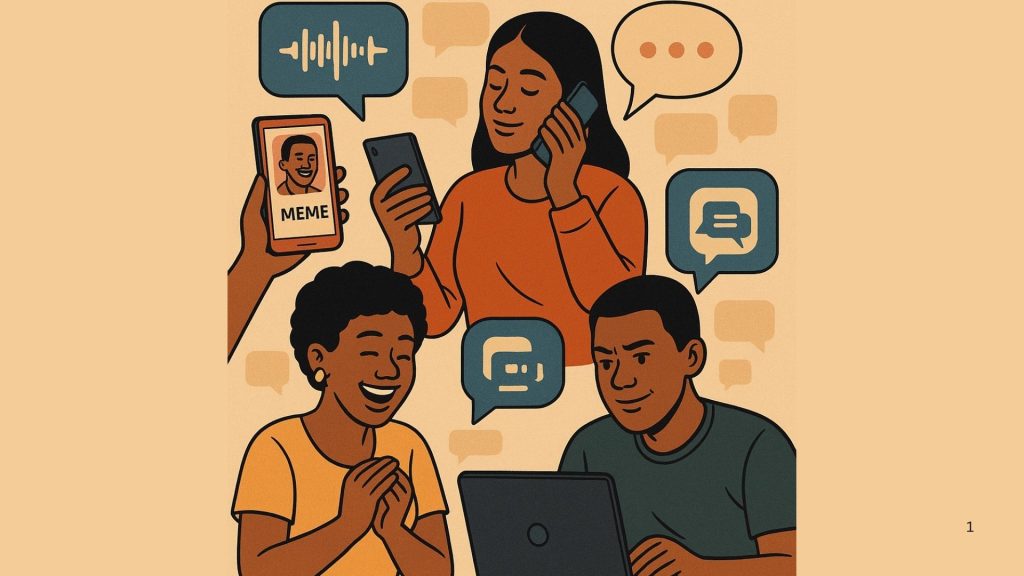
Forget formal press releases or long opinion articles, today’s Nigerians communicate through formats that feel more alive. Memes speak volumes, voice notes replace paragraphs, and group chats act like mini town halls. What looks like casual banter is often how national conversations begin.
When a politician makes a bold statement or a celebrity slips up, the first reactions don’t come from newsrooms- they come from the meme-makers, comedians, and the aunties in that “Family Updates” WhatsApp group who forward everything with “😂😂😂 see what’s happening.”
The Voice Note Revolution
If text messages are too slow, Nigerians hit record. Voice notes have become the most expressive form of digital storytelling filled with emotion, slang, laughter, and dramatic pauses. A 2-minute voice note can move from gossip to therapy to politics all in one breath.
They’re also deeply personal. You can hear frustration, joy, or sarcasm and some other things text can’t capture. In a society where connection matters, hearing someone’s voice builds intimacy across distance. For many Nigerians abroad, those voice notes from home are daily lifelines.
Meme Culture: Nigeria’s Social Commentary
Nigerian memes are more than jokes they’re social analysis disguised as humor. A meme can summarize public opinion faster than any headline. When the economy dips, when elections heat up, or when power fails again, Nigerians turn frustration into art.
Platforms like X (formerly Twitter), TikTok, and Instagram are now cultural stages, where everyday people remix viral photos, movie clips, and phrases to tell national stories. It’s creativity born from resilience leading to laughter as a survival tool.
Group Chats: The Real Media Networks
Every Nigerian belongs to at least three WhatsApp groups that shape their worldview from “Church Members Forum” to “Alumni 2008 Set” to “Family Meeting.” These digital communities share everything: breaking news, fake news, family updates, job tips, and fundraising links.
They are the heartbeat of Nigerian information flow — more trusted than official press releases and faster than traditional media. In some rural areas, group chats even serve as unofficial bulletin boards for community alerts and local campaigns.
How It Shapes National Conversations
This unique ecosystem has changed how stories spread. A meme can go viral in minutes, forcing mainstream outlets to catch up. Voice notes circulate like mini podcasts, influencing opinions. And group chats now serve as testing grounds for political ideas, trends, and brand campaigns.
In effect, Nigerians have built their own digital communication model such as emotional, humorous, fast-moving, and deeply communal.
Final Thoughts
While Big Tech platforms designed the tools, Nigerians reinvented how to use them. Voice notes turned into storytelling, memes became protest art, and group chats evolved into public squares. The result is a communication culture that’s chaotic, creative, and incredibly human.
At OtownGist Media, we see this as proof that technology doesn’t erase culture, it amplifies it. In every forwarded meme and every heartfelt voice note, Nigerians are not just talking, they’re defining what digital communication looks like in Africa’s most expressive nation.
Article by Ezegbogu Princewill (Intern at OtownGist)