SWAN Imo Trains Sports Journalists on Ethical AI Use to Redefine Digital Reporting Standards
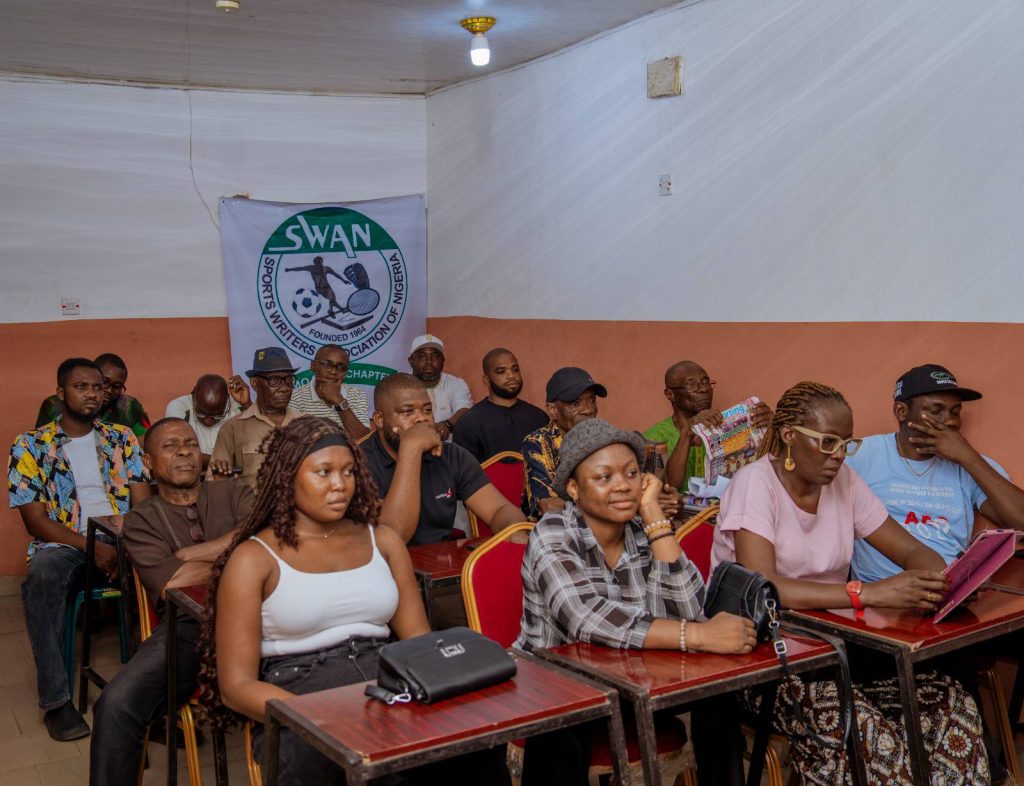
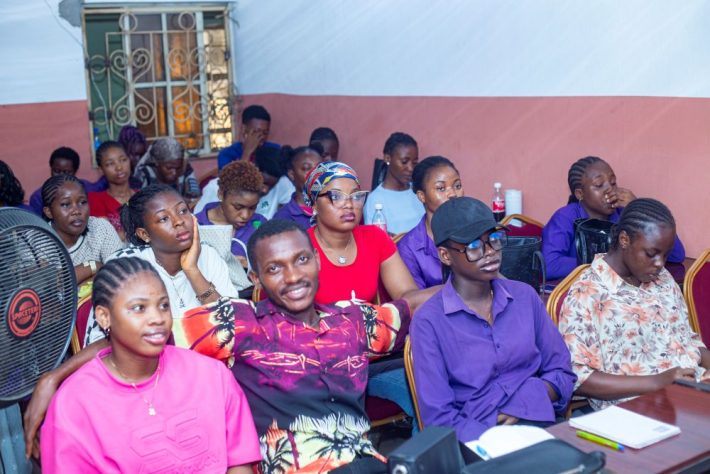
Sports journalists in Imo State have been urged to adopt artificial intelligence responsibly as the Sports Writers Association of Nigeria (SWAN), Imo State chapter, hosted a one-day training focused on ethics, professionalism, and digital newsroom transformation.
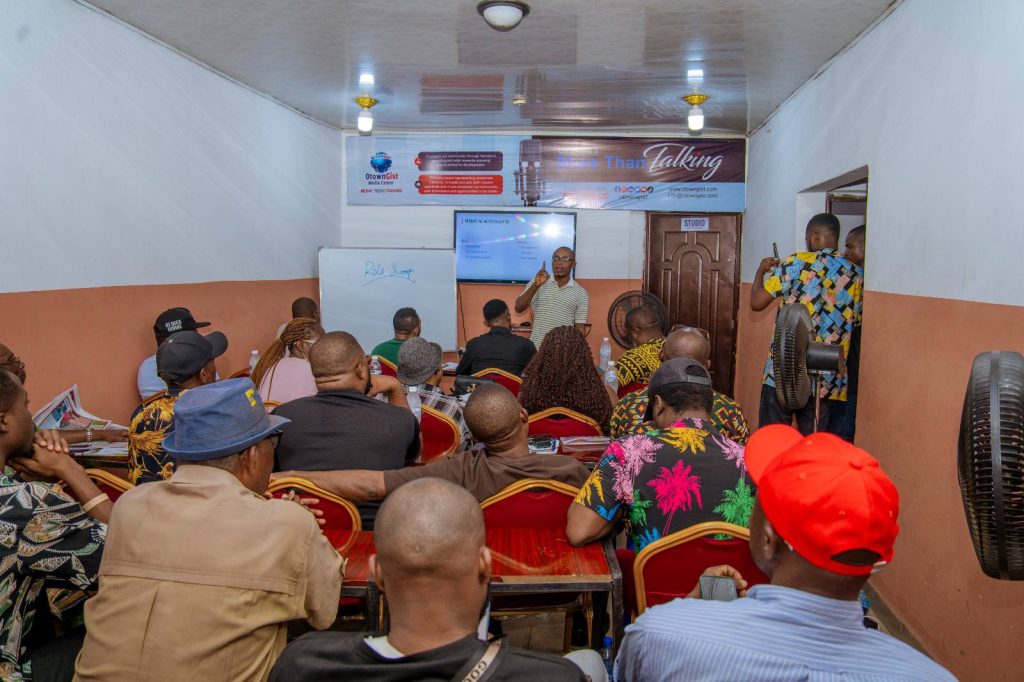
The workshop, themed “Ethics and Professionalism in the Generative AI Era,” took place on Tuesday, May 12, 2026, at the OtownGist Media and Creative Hub in Owerri. It formed part of SWAN Imo’s monthly congress activities under the leadership of Chairman Cosmos Chukwuemeka.
The session brought together sports journalists across the state to examine how AI tools are reshaping modern reporting, from live match coverage to content production and audience engagement.
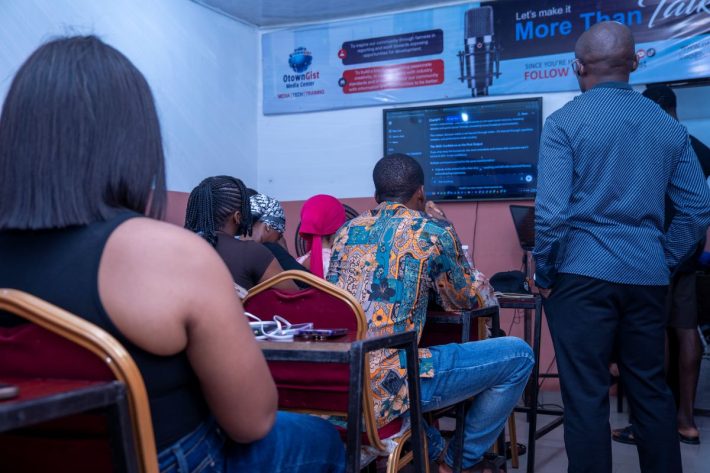
Participants were trained on practical applications of tools such as ChatGPT, Gemini, TurboScribe, and Canva, with demonstrations covering match reporting, interview transcription, headline creation, SEO optimisation, and multimedia storytelling.
Facilitator Chinedu Hardy Nwadike, media entrepreneur and founder of OtownGist Media, anchored the session with a strong emphasis on responsibility, warning that technology without editorial discipline weakens journalism rather than improving it.
He stressed that AI should function as a support system for journalists, not a substitute for professional judgment or verification.
“AI is not the enemy of journalism. The real danger is using these tools carelessly without verification, context, and ethical responsibility. Journalists who understand how to use AI properly will work faster, tell better stories, and remain relevant in the evolving media space,” he said.
Nwadike also highlighted the broader mission of OtownGist Media and its Creative Hub, describing it as a platform focused on practical digital literacy and capacity building for media professionals and young creators.
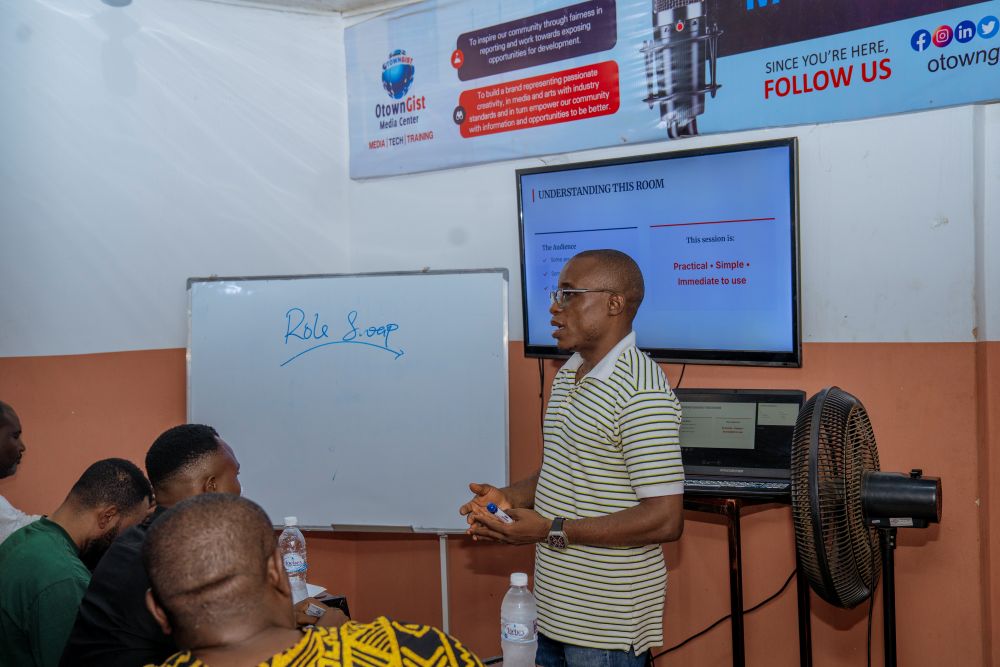
“At OtownGist, we are focused on simplifying digital literacy and helping media professionals, young people, and organisations understand how technology can create opportunities instead of fear. We want to build a culture where innovation and professionalism work together,” he stated.
A major focus of the training was the ethical risks linked to AI-generated content, including misinformation, plagiarism, overdependence on automation, and weak fact-checking practices. Participants were encouraged to prioritise verification and editorial standards before publication.
The workshop also featured hands-on exercises and live demonstrations, allowing participants to apply AI tools directly to newsroom scenarios and digital storytelling workflows.
At the end of the session, participants received certificates in recognition of their engagement and commitment to professional development.
Attendees described the training as timely, noting that sports journalism is rapidly evolving and requires continuous upskilling to remain relevant.
The event concluded with calls for sustained capacity building, stronger collaboration between media and tech practitioners, mentorship within SWAN, and the development of formal AI ethics guidelines for journalists in Imo State.